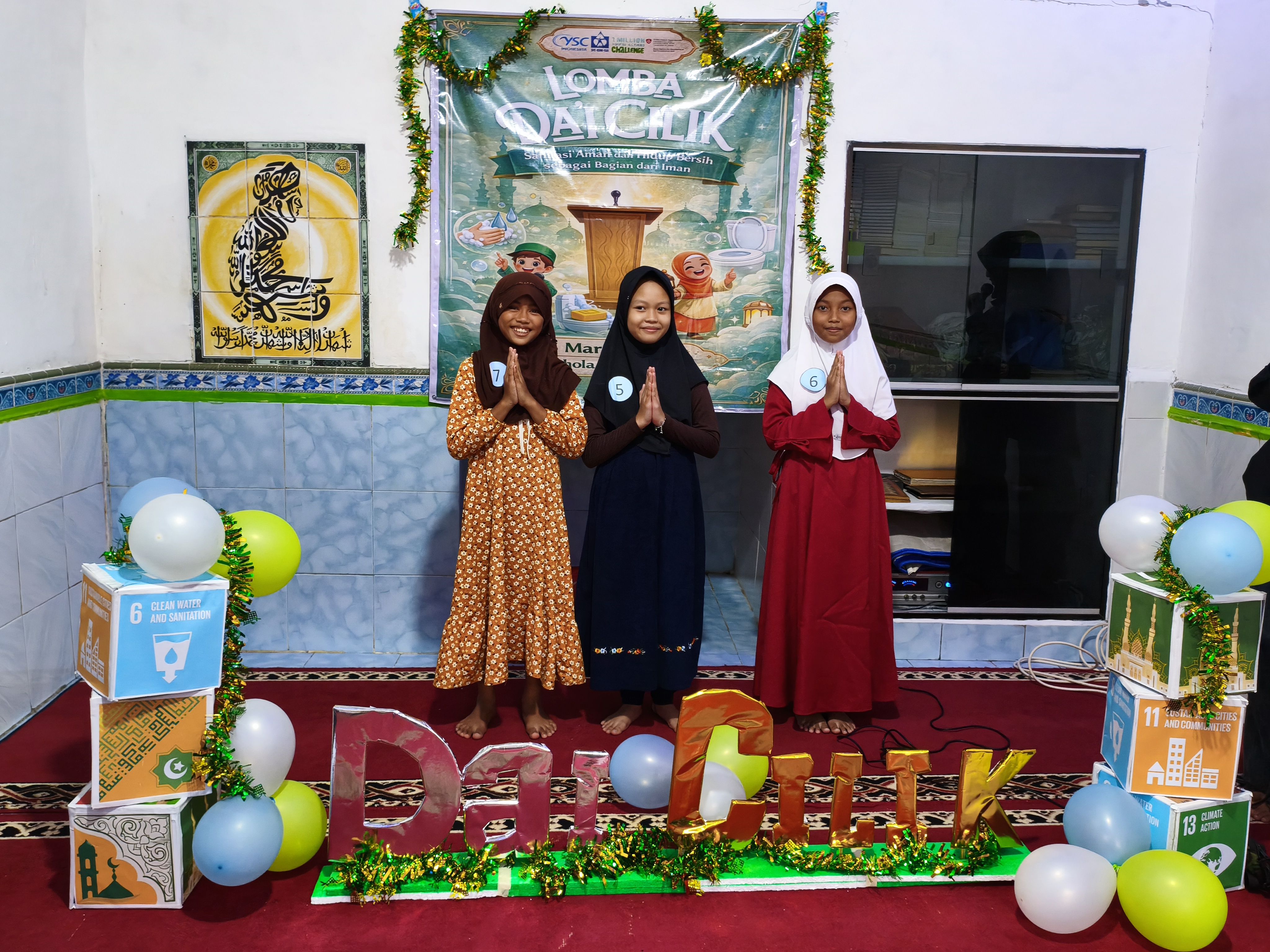
A community-based Ramadan campaign held in Gedung Pakuon RT 07, designed to encourage children and youth aged 9–15 years to advocate for the importance of safe sanitation, environmental cleanliness, and the prevention of open defecation through a faith-based perspective. Through public speaking and religious storytelling, participants are empowered to spread awareness that clean and healthy living is an essential part of faith and community responsibility.
Jl. K.H. Hasyim Ashari, RT 07, Gedung Pakuon, Teluk Betung Selatan, Bandar Lampung
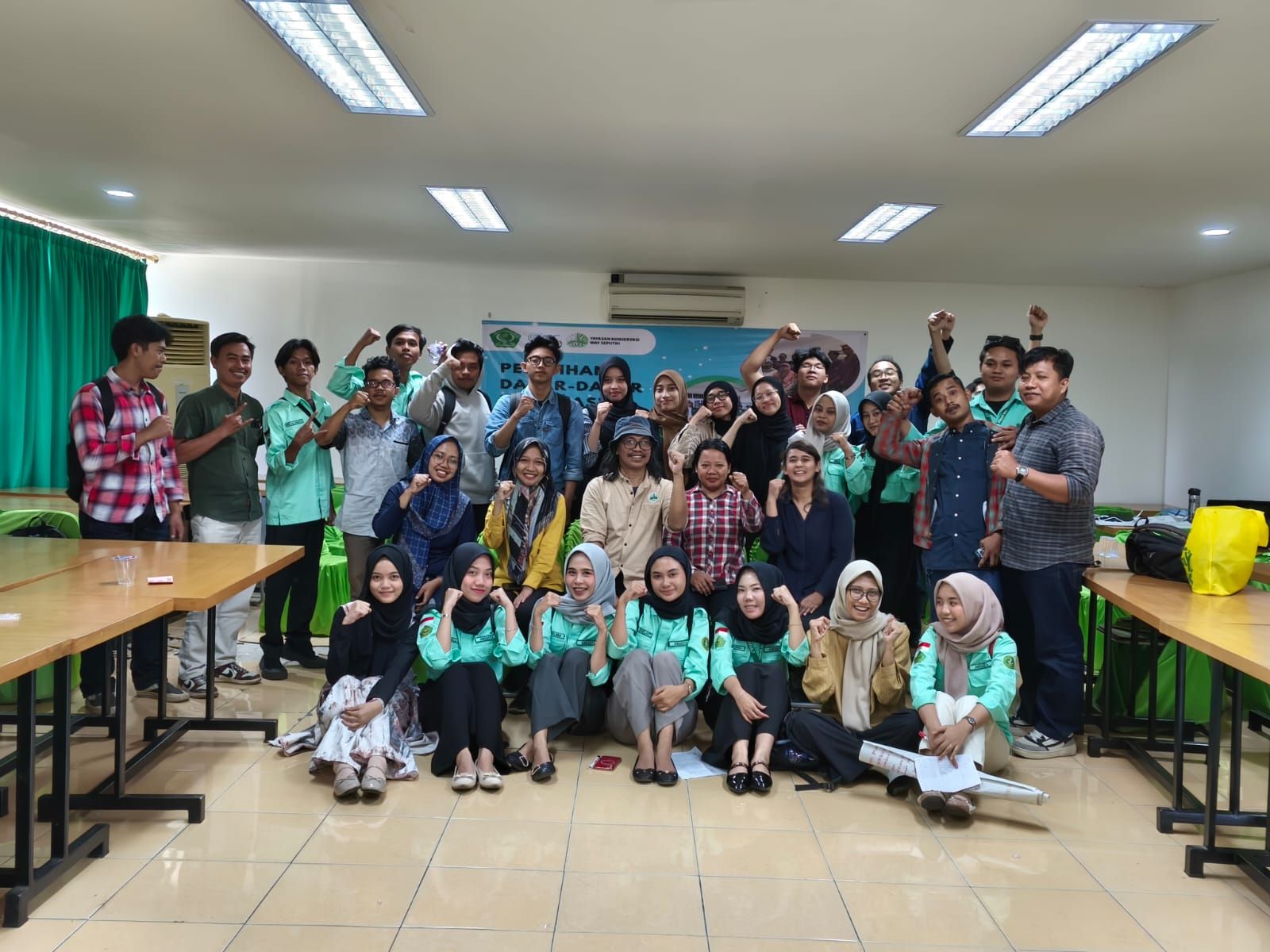
A capacity-building training program designed for university students, YSC Indonesia members, and the wider YSC Community, engaging 50+ participants across sessions held at Universitas Malahayati and Gudang Agen. The training focused on strengthening essential facilitation competencies, including public speaking, facilitation techniques, focus group discussion (FGD) management, leadership, and community engagement skills. Through interactive sessions and practical exercises, participants were equipped with the confidence and technical ability to lead discussions, mobilize communities, and support field-based interventions. As part of YSC Indonesia’s leadership development pathway, this training also prepared participants to serve as field project facilitators, campaign leaders, and members of the trainer pool, strengthening the organization’s long-term capacity to scale impact through youth-led action.
Universitas Malahayati and Kampung Gudang Agen, Bandar Lampung
Our digital campaign was launched in commemoration of World Toilet Day through Instagram feed posts, stories, reels, and carousel content. The campaign aimed to raise public awareness on safe sanitation, the importance of ending open defecation, menstrual hygiene, and the interconnected relationship between climate resilience and sanitation systems. With the message “We’ll Always Need Toilet”, the campaign also highlighted the urgency of improving government sanitation facilities, strengthening youth engagement, and promoting cleanliness as part of faith and everyday responsibility. Through educational and advocacy-driven content, the campaign encouraged young people and communities to reflect on sanitation not only as an infrastructure issue, but as a social, environmental, and moral responsibility. A total of 29,000+ Instagram accounts exposed to sanitation information

.jpeg)
.jpeg)
.jpeg)
.png)